
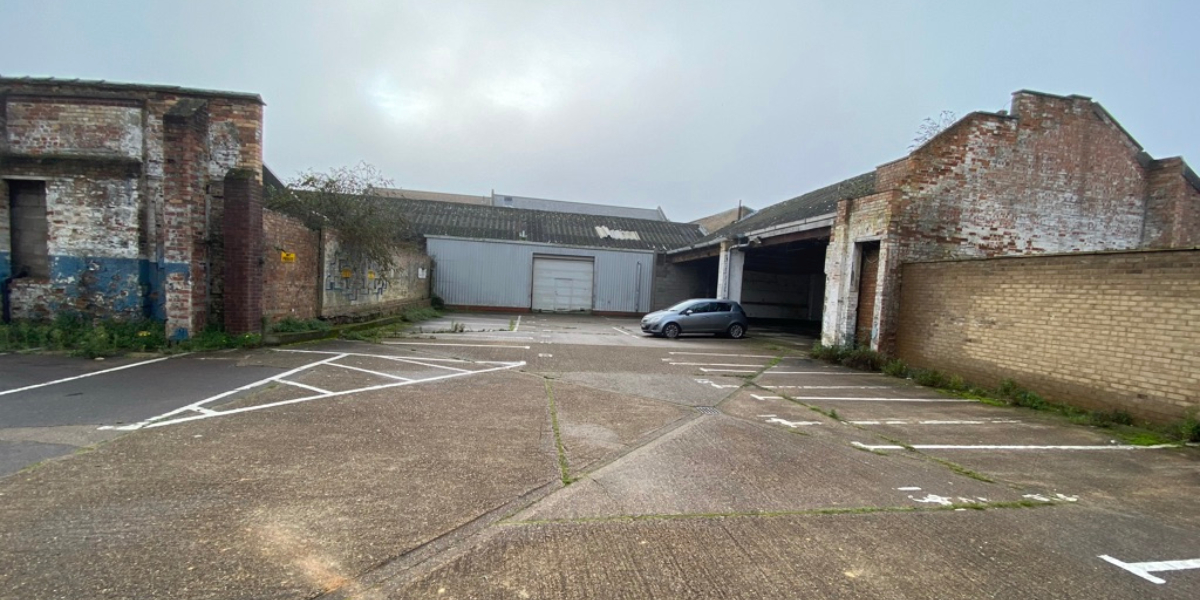
The construction of new housing is a hotly debated issue, yet we all need somewhere to live and most of us want to be part of a thriving community with good infrastructure. Ensuring that the future of our housing stock is fit for purpose and built in an environmentally conscious way is at the forefront of most projects these days. Striking the right balance between sustainability and profitability has long been a developer’s challenge, but more are turning to brownfield sites as an opportunity to regenerate an area and reinvigorate a neglected building or derelict land while creating new housing to meet the social need.
It’s estimated that around 340,000 new homes are needed in England each year, of which 145,000 should be affordable, and the lack of social housing in King’s Lynn is one of the key drivers for local property developer Dwellings4U which is committed to contributing to high-quality housing stock in the area.
The government defines brownfield as ‘land which is or was occupied by a permanent structure’ and brownfield development forms a core plank of its National Planning Policy Framework (NPPF). The NPPF states that local authority planning should promote the effective use of land making ‘as much use as possible of previously developed or brownfield land’ with weighting given to suitable applications which tackle ‘despoiled, degraded, derelict, contaminated or unstable land’.
Since 2017, local planning authorities are required to maintain a register of brownfield sites of at least 0.25 hectares which are available for residential development and, under the Brownfield Land Release Fund, the government provides funding to local councils to support the release of brownfield land for housing. Land which has previously been used for industrial or commercial purposes which is now vacant, derelict or underused can be redeveloped for housing. At the time of writing, there are more than 60 identified brownfield sites identified by King’s Lynn and West Norfolk Borough Council.
Brownfield sites are typically found in urban areas and regeneration can help to revitalise abandoned or underused sites with a trickle effect on the wider community. The main advantage of building on brownfield sites is that there is often access to existing infrastructure such as roads, utilities and transportation, which can make development easier and planning permission more likely. Importantly, by utilising brownfield areas, there is less pressure on undeveloped greenfield sites and natural habitats which, in turn, helps to protect the countryside and biodiversity. It has been said that there is sufficient brownfield land to meet England’s housing needs with space for at least one million homes.
Announced in November 2021, changes to the Biodiversity Net Gain (BNG) requirement of developments mean that sites must achieve a minimum 10 per cent net gain to achieve planning permission. This adds to the requirements of developers for new projects, and the government has confirmed that previously developed land will not be exempt. Only sites under 25sq m will be free of the obligation, and small site developments will be granted a six-month delay to the introduction of the policy, which comes into effect in November 2023. However, with a brownfield site, the net gain requirement is arguably less onerous than with a greenfield location, as improvements to the landscape and area’s biodiversity will usually be a natural outcome from its development.
Of course, there are challenges to brownfield developments, chief of which is that many sites require extensive and often costly clean-up. While a ‘polluter pays’ principle still stands, in most instances land contamination may predate a site by centuries and the culprit may have long disappeared, leaving the developer with the cost of preparing the site. Brownfield sites often sit within an established urban development, so projects can need complex planning to overcome local objections and meet environmental and infrastructure requirements. While there are always creative opportunities, brownfield sites are often irregular in shape or size ,so can require inspired and imaginative architectural design.
The government’s net zero strategy aims to eliminate emissions by 2050 and, while huge emphasis is placed upon the use of renewable energy in new builds, brownfield sites can play a role in climate change as the soil containing demolition waste binds carbon dioxide. One study by Newcastle University found that one hectare of brownfield soil can capture up to 85 tonnes of atmospheric carbon per year. Brownfield sites are more sustainable, and repurposing buildings and land which have previously been developed offers a more responsible route than building on greenfield areas.
Property developer Dwellings4U is establishing a track record of successful brownfield regeneration with three major redevelopments in its home town of King’s Lynn.
St James Street, King’s Lynn, Norfolk
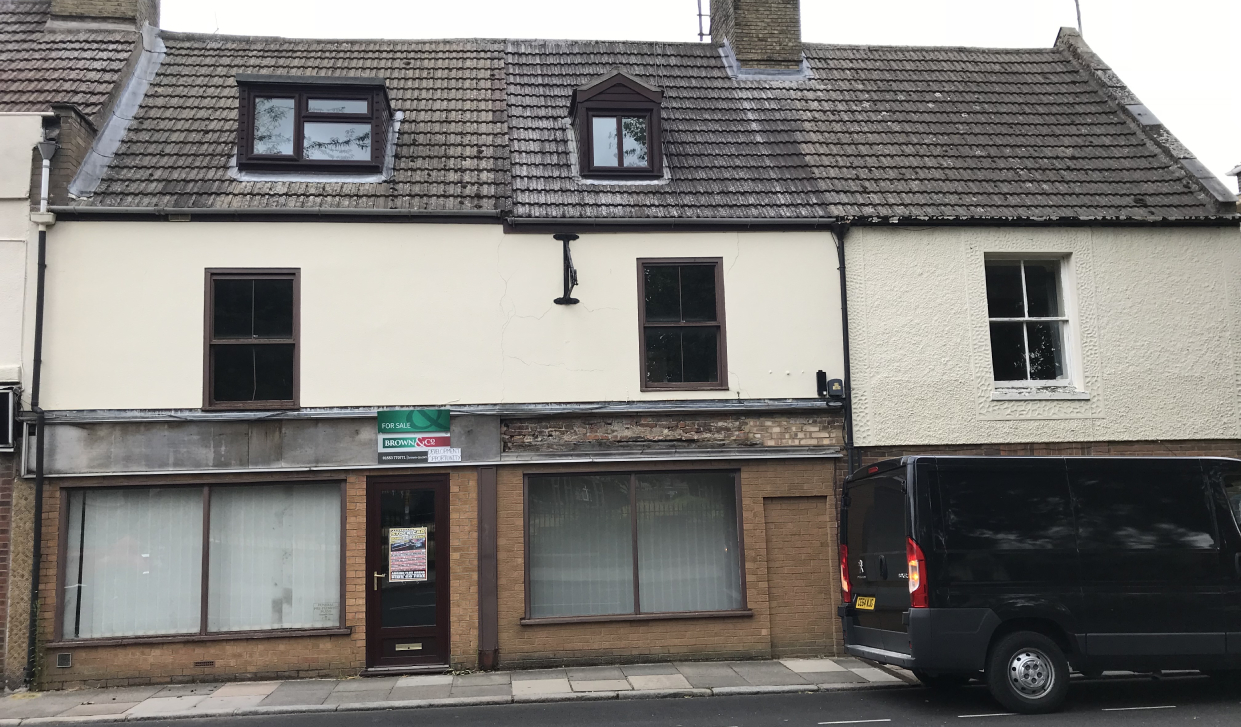
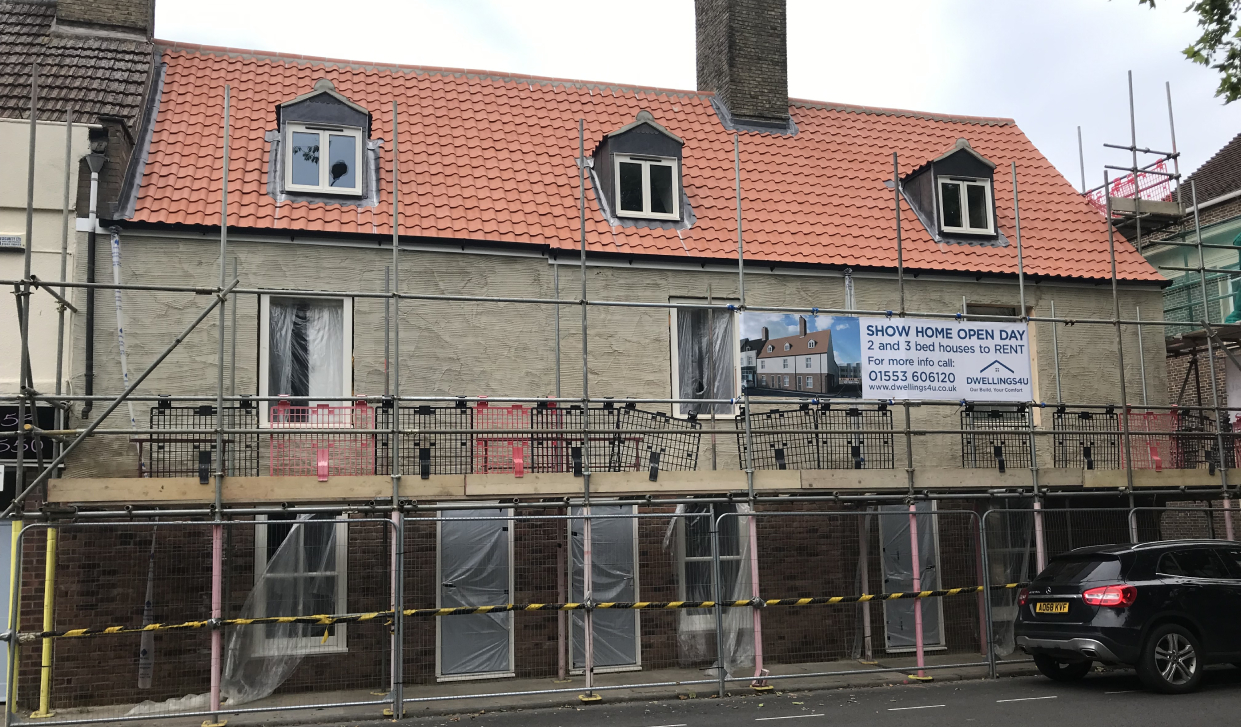
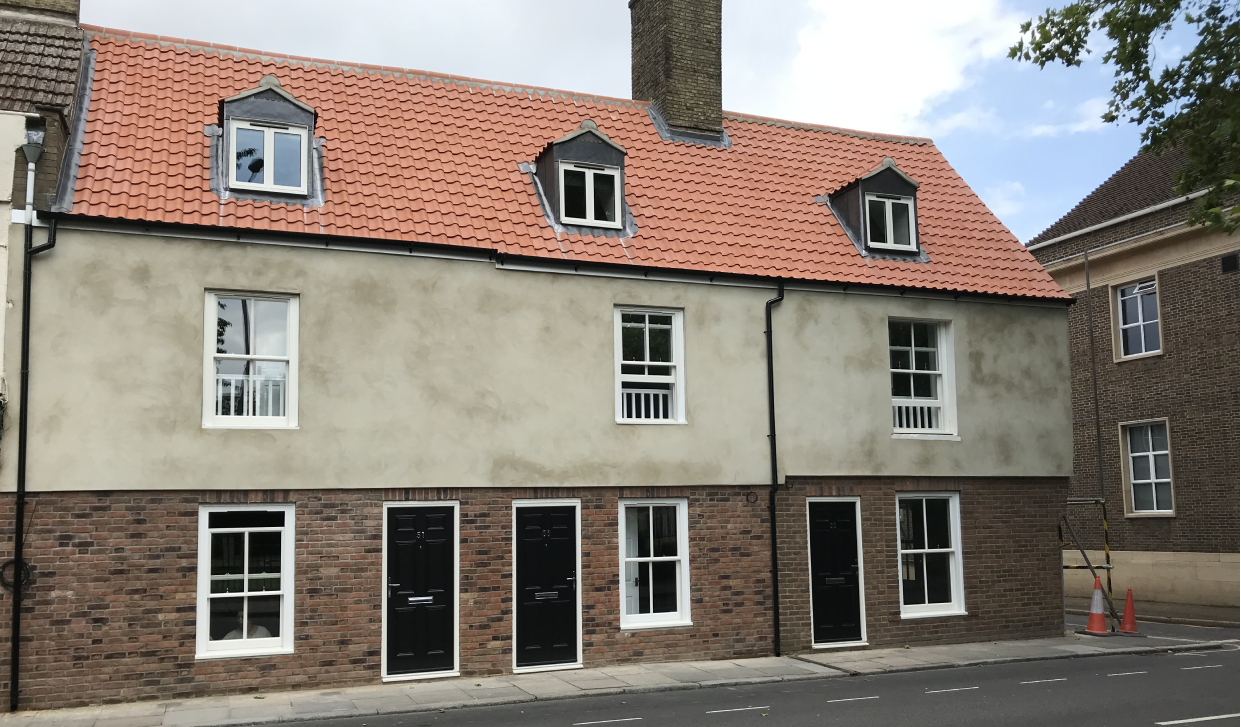
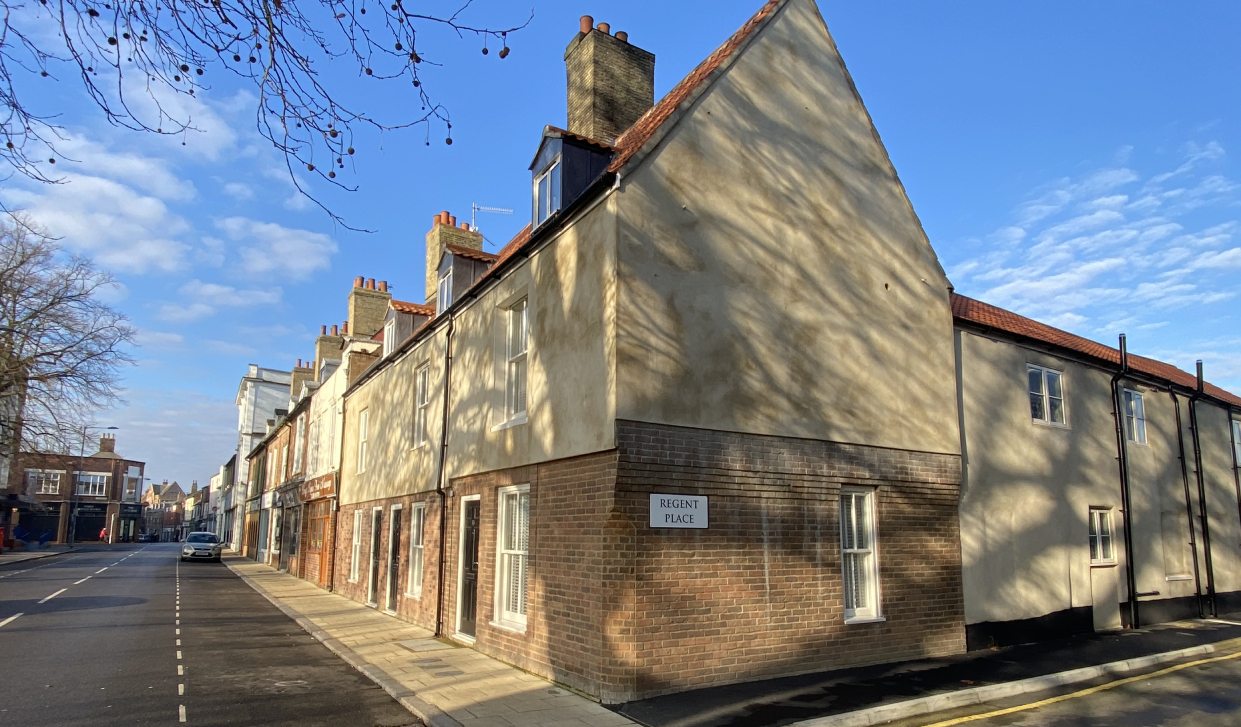
Dwellings4U’s first major project was the conversion of a former funeral parlour on St James Street, King’s Lynn into six terraced houses. Although planning permission was granted to knock down the side of the building to make room for two new builds, once construction was underway, a structural survey revealed that a more economical and sustainable alternative was to convert the existing building and retain the original structure. Dwellings4U sought this as an alternative route, protecting the integrity of the site while creating high-quality properties which blend seamlessly with the local community.
Tower Court, King’s Lynn, Norfolk
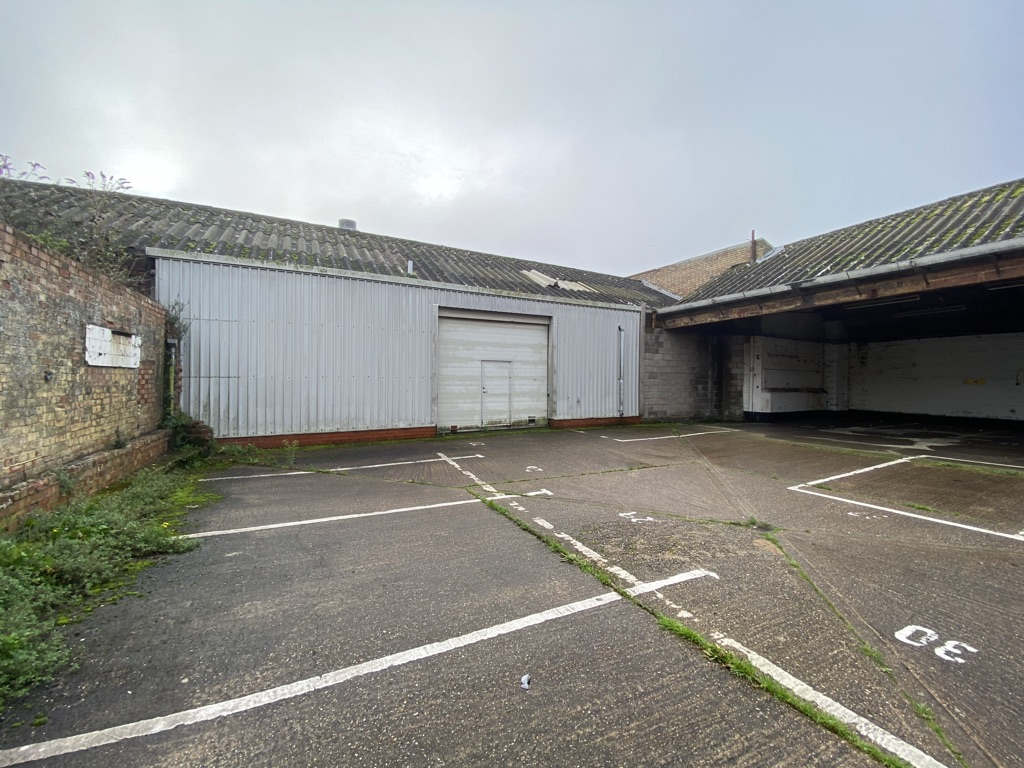
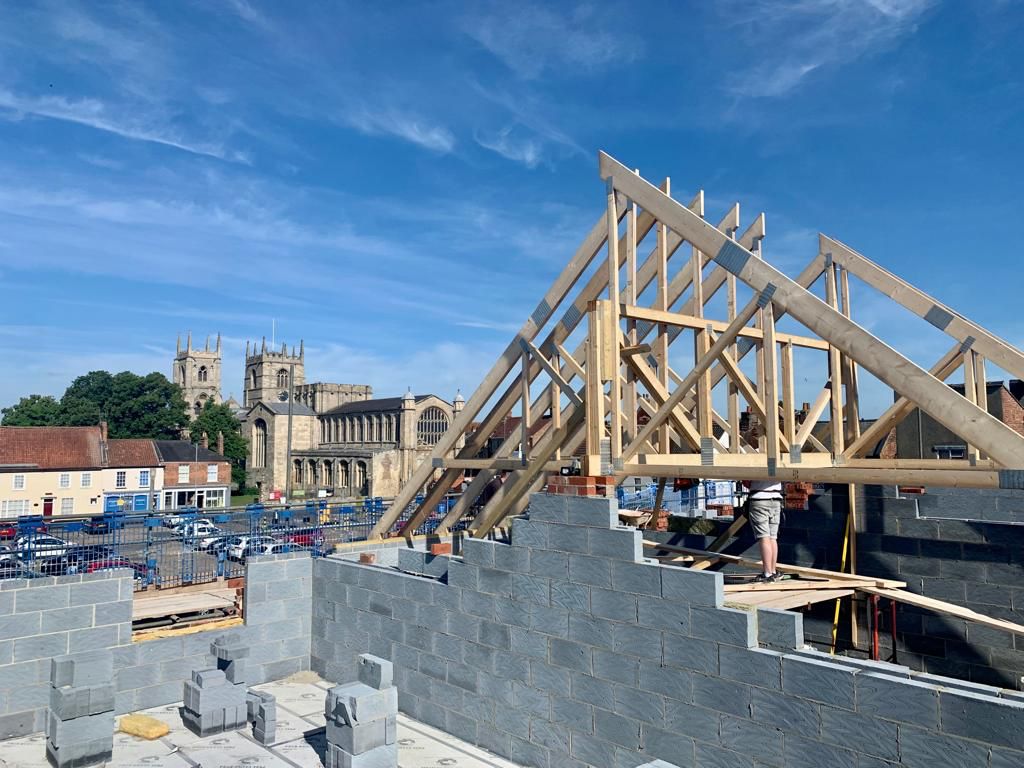
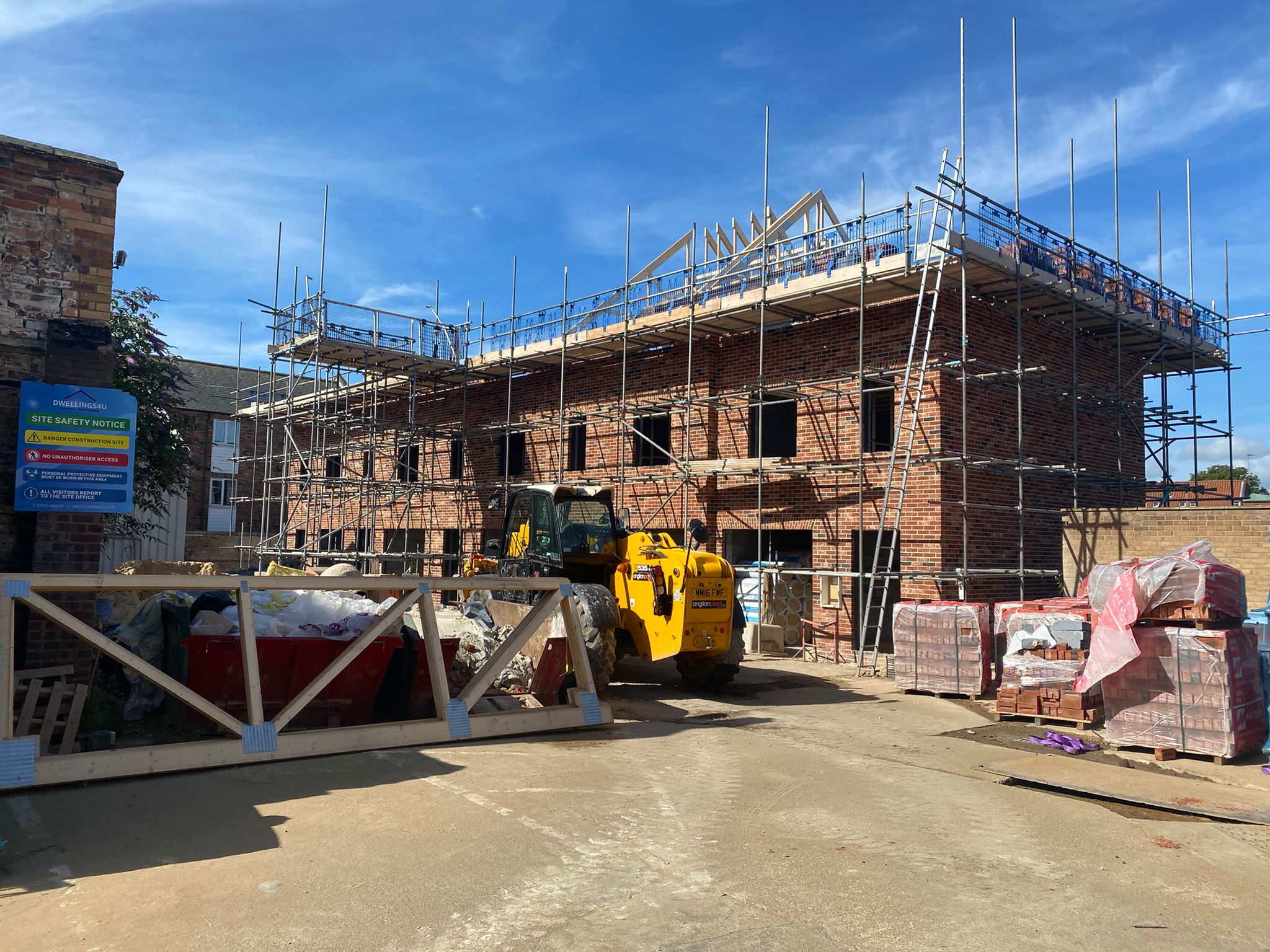
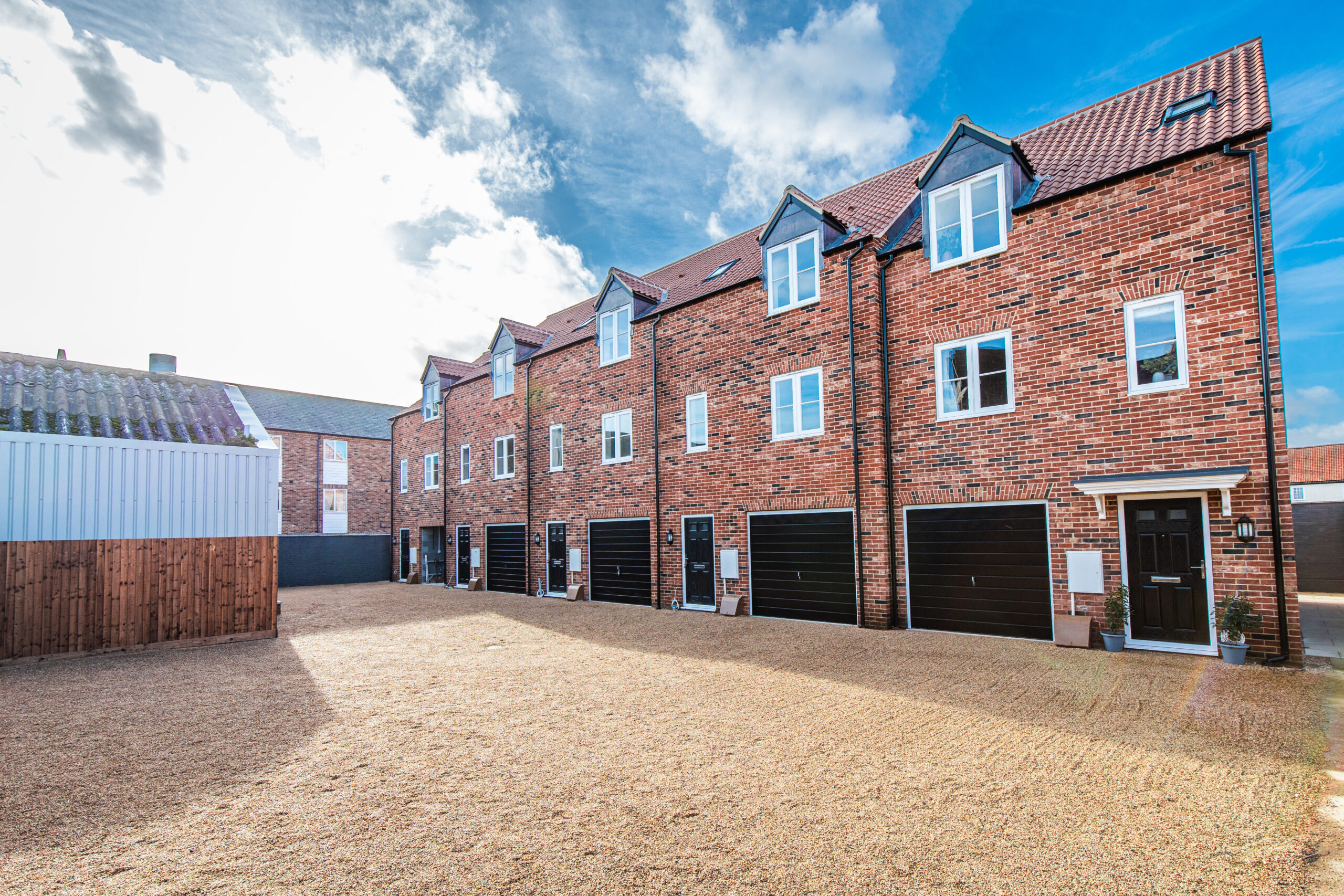
Since completing the St James Street project, Dwellings4U identified a further opportunity on the same street at Tower Court, King’s Lynn. The site originally comprised a car park and seven commercial units which the team is currently developing with five new build terraced homes and the conversion of a three-storey commercial unit into a mixed use building to include social housing.
Norfolk Street, King’s Lynn, Norfolk
Most recently, Dwellings4U has begun work on a mixed use development on Norfolk Street in King’s Lynn which will see the refurbishment of five apartments and a retail unit – a much-needed boost to the town’s High Street.
“We are enormously proud to be involved in the regeneration of King’s Lynn,” says director Craig Roberts, “and for us brownfield sites in Norfolk represent an incredible opportunity to breathe new life into areas which have been sadly neglected for far too long. Much emphasis is placed upon sustainable construction and the focus is on ensuring new build properties are energy efficient and comply with increasingly stringent regulations, but regenerating existing buildings and developing brownfield sites can provide a highly sustainable alternative while meeting the need for affordable and sustainable housing. This is very much a future area of activity for us, and we are excited to be part of our home town’s development in the coming years.”
Input your search keywords and press Enter.