
HMOs have had a bit of a bad rap in the past, seen as a desperate, last option for those living on a tight budget or workers needing a place to ‘stay away’ during the week. But the landscape is changing fast, and a new breed of enlightened developers are creating attractive, value-added, well-designed housing, which particularly appeals to young professionals.
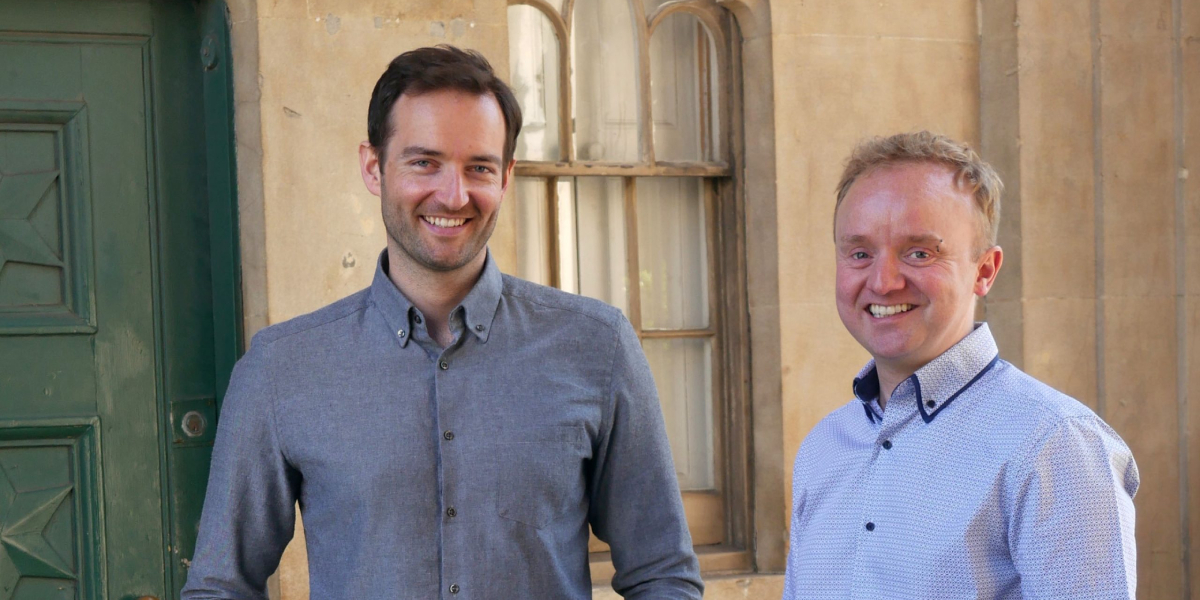
Matt Baker and Niall Scott of Scott Baker Properties have focused their development strategy on building a highly successful portfolio of HMOs, or co-living homes, in several instances converting commercial buildings to residential accommodation. The pair see a growing demand for this type of housing, particularly among 20-30-year-old renters. “We are developing next-level HMOs to appeal to young, working professionals,” says Niall. “The landscape has changed and with our model we are enhancing the shared accommodation experience and creating spaces where people really want to live.
“We are very selective with who moves into our co-living properties and go through a vigorous interview process to ensure there is a good fit between those who will occupy the space. For example, we have a property where a whole new group of people in their early-mid 20s will be moving in together and we go to great lengths with several stages of application to ensure they will get along. This might seem like a time-consuming, arduous approach, but in the long-term results in less work as people tend to stay longer and, perhaps most importantly, pay their rent on time. The most expensive time for any landlord is when a property stands empty, so this approach helps to protect our investment.
“We’ll typically do an initial Zoom virtual viewing with a video tour of a property and this helps applicants to get a feel for us as landlords and the type of properties we develop. Applicants must meet certain criteria in terms of their demographic and must be employed. If it’s a good fit for us and the applicant, one of our team will meet with them face-to-face – this is important for both sides as we want the tenant to be happy and for us to know the let is going to be successful.”
“We have properties across the UK,” continues Matt, “and our most recent developments are within an hour’s drive of London and the south coast as this works geographically for us both. Our first commercial conversion was an office in Warrington, which we developed into an eight-bedroom HMO, and we’re currently working on a commercial conversion in Portsmouth which will be a minimum 12-bedroom property with the potential for a 16-bedroom co-living property, subject to planning. We’re actively looking for more commercial conversions to develop into flats and maisonettes as there is huge potential for this type of accommodation, particularly among young professionals.”
“Co-living has become a much more normal way of living,” says Niall, “and although HMOs get an awful lot of bad press because of landlords who don’t treat their tenants properly, we’re trying to slowly change that mindset. Young people get used to co-living while at university and often come out of education with student debt, so it understandably takes a long time for them to be able to save and buy their own home. Co-living is an affordable way to live with a group of like-minded individuals in a comfortable setting. This is not the only scenario and there is still a need for the more typical HMO property, but our young professional tenants are typically with us for around 18 months, often moving on because they’ve chosen to live with a partner. The model is a good one and looks likely to grow in appeal, particularly against the backdrop of rising living costs.”
“The changes to permitted development in 2013 opened up the opportunities and scope for commercial conversion,” says Matt, “but you still have to be careful about the area and type of properties you consider. We looked at Brighton and Croydon, but they didn’t offer the right type of office space for conversion – you still need to consider the flow of a building and areas that a residential space requires, and it isn’t always an easy conversion to turn a commercial building into housing.”
“We’ve started to implement our own standard across our co-living portfolio,” says Niall, “and we now ensure there’s an en-suite in every room as this is important to our tenants. Each room has a living bedroom with a double bed and desk so people can work quietly, along with additional storage in the rest of the house, as I know from my own experience how frustrating it can be to not have space to put your stuff. Each of our HMOs has good communal space, so you can hang out and watch TV and have a beer or sit and eat breakfast outside your room, along with a second communal area in most properties, which offers a quieter space to read or just chill out.
“Renters’ expectations are quite high and people have come to expect a certain standard of accommodation from their student experience. We’ve also learnt to invest in better quality finishes that lasts longer and to build in furniture which can be painted and refreshed, rather than having to continually replace it.”
Niall and Matt met through networking and it was while on a Whitebox retreat in Bali that they came up with a plan to focus on HMO development. The pair now provides specialist advice on the sector as part of the Whitebox training programme. “I’d heard of Whitebox previously, but what appeals about them and their programme is there is no bullshit,” says Niall. “There are a lot of people trying to sell courses, but Andi and Lloyd are actively developing themselves and bring in specialist experts to help build a comprehensive knowledge.
“Property can be a lonely business and I enjoy being around other people at these events. There is a lot of really poor quality housing out there and we want to add to the mix by helping developers to take a fresh approach.”
“Andi and Lloyd describe us as the ‘HMO kings’” adds Matt, “and asked us to set-up a training course, so we created ‘The HMO platform’ to help others explore this area of development. We often help people who have done a property flip or a few builds to consider HMOs as their next phase of growth.”
Having built a successful portfolio and now helping others in their own development journey, what final advice do the pair have for those starting out? “Get a mentor or coach, whether that’s as part of training programme or on a one-to-one basis,” says Niall. “It’s true that you can get the answer to anything on Google, but if you don’t know the questions to ask it can be a long and difficult approach.”
“Keep it simple and take a measured approach,” echoes Matt. “Becoming a property developer doesn’t mean building 20 houses at the off. Learn three or five things on each development rather than getting it wrong on a bigger project and making a costly mistake.”
Speaking at the next meeting of The Developers Network Cambridge, which is set to take place at WhataHoot! in King’s Lynn on 20 July, Matt and Niall have plenty of experience and expertise to share, and with a growing number of people looking to rent, their HMO strategy is one which many developers might consider to build a successful business of their own.
Input your search keywords and press Enter.